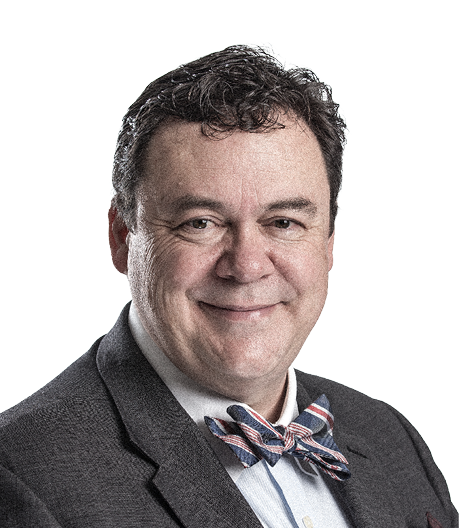
Andrew Clements
Director, Lawyer & Notary Public
LLB, BA, TEP

For many New Zealand families, the answer goes beyond wealth. It’s not just about leaving behind property or a business, it’s about passing on values; kindness; responsibility, and integrity.
Legacy today is about how your choices shape the future, for your family, your community, and the world.
That’s why more Kiwi families are embracing values-based planning, an approach that aligns the way wealth is structured, protected, and passed on with the things that matter most to them.
At its core, a sustainable family legacy is about more than money. It’s about aligning your long-term legal and governance decisions with the values that define your family, be it environmental stewardship, cultural heritage, social contribution, or intergenerational wellbeing.
In New Zealand:
This shift is especially visible among younger generations, who are prompting families to reframe legacy questions from “What do I leave behind?” to “What impact do we want to have? And how do we do it together?”
At Grayson Clements, we believe legacy should be defined by more than just numbers.
In every private wealth journey, we begin with real conversations:
A sustainable family legacy recognises multiple forms of capital:
When these are aligned, families not only preserve wealth, they build resilience, reputation, and deeper meaning.
Trusts remain a powerful tool for protecting assets and ensuring wealth is used as intended. But the era of “set and forget” is over.
With the Trusts Act 2019 now in effect, modern trusts must be clear in purpose, regularly reviewed, and properly administered. A trust without intention can become a liability. A trust grounded in values and supported by appropriate documentation, such as family charters or letters of wishes, can preserve intergenerational clarity and avoid conflict.
A trust isn’t about hiding wealth. It’s about preserving purpose. When done right, it becomes a long-term vehicle for values.
Many families today want to ensure their estate planning and governance decisions reflect their ethical or cultural values.
This may include:
While we don’t offer financial advice or manage investments, we regularly work alongside clients’ financial advisers to ensure legal structures and governance frameworks support these values-driven decisions.
A legacy should include the next generation, early and often.
Whether it’s regular family meetings, shared discussions about purpose, or co-creating a family charter, these conversations can bridge generational differences and help younger family members grow into their role as stewards, not just beneficiaries.
If you don’t prepare the next generation, it’s like handing them a winning Lotto ticket with no training.
We’ve supported families in designing family governance structures that include values-based discussions, succession strategies, and dispute-prevention tools that grow with them.
We often meet families who are clear about what matters to them, but unsure how to reflect that in their legal structures. Others have outdated trusts or no enduring powers of attorney in place. And some aren’t sure how to start the legacy conversation with their children.
This is where we come in.
Our role is to help you:
You don’t need to be ultra-wealthy to build a sustainable legacy. What you need is clarity of purpose, commitment to your values, and the right support team to walk the journey with you.
Whether you’re just starting out or thinking about succession, values-based planning can help you:
“Philosophy breeds methodology. Purpose informs design.” — Andrew Clements
Let’s design a legacy that’s built to last.
Want to ensure your legal structures reflect your values?
Let’s talk about what legacy means for your family.
Contact our Private Wealth team.